
Building An Email List From Day One
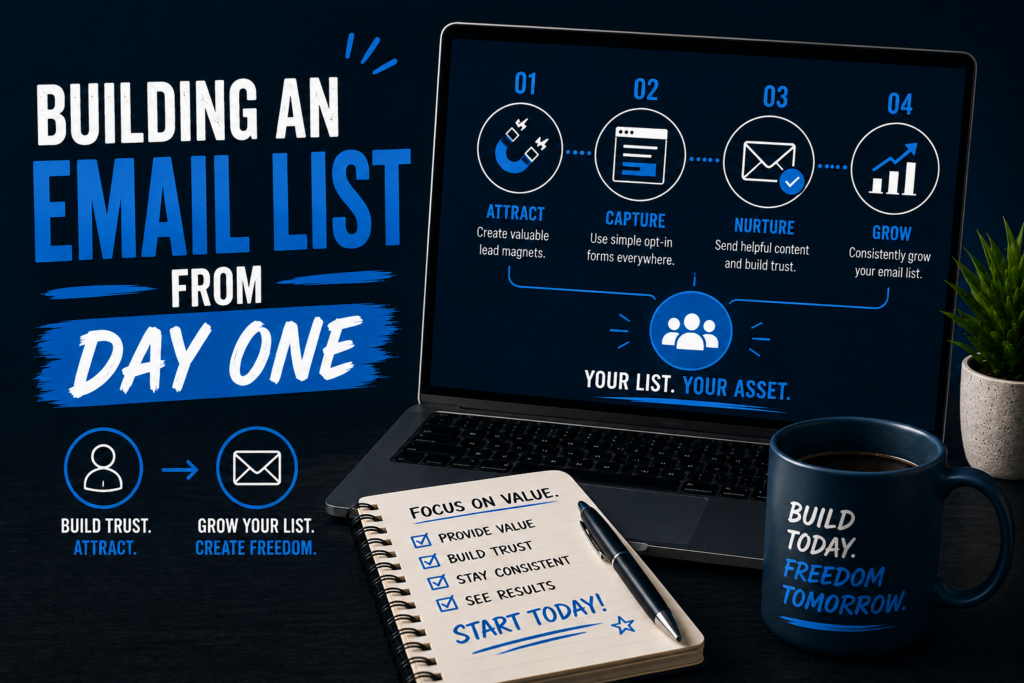
Importance Of Building An Email List From Day One
When you’re starting a new business or project, it’s easy to get caught up in the excitement of social media, website design, and all the shiny new tools at your disposal. However, amidst all the buzz, one crucial element often gets overlooked: building an email list from day one. You might wonder why email is still relevant in a world dominated by instant messaging and social media. Well, let me tell you, email is like that reliable friend who always shows up when you need them. It’s personal, direct, and incredibly effective for nurturing relationships with your audience.
First off, let’s talk about ownership. When you build an email list, you own that list. Unlike social media platforms where algorithms can change overnight, affecting your reach and visibility, your email list is yours to manage. This means you can communicate with your audience whenever you want, without worrying about whether your posts will be seen. Imagine having a direct line to your most engaged followers, allowing you to share updates, promotions, or valuable content without any barriers. That’s the power of email.
Moreover, email marketing boasts one of the highest returns on investment compared to other marketing channels. Studies show that for every dollar spent on email marketing, businesses can expect an average return of $42. That’s a staggering figure! By starting your email list early, you’re setting yourself up for long-term success. You can gradually build a relationship with your subscribers, providing them with valuable content that keeps them engaged and eager to hear from you. This relationship-building aspect is crucial because people are more likely to buy from brands they trust.
Now, you might be thinking, “But how do I even start building an email list?” It’s simpler than you might think. Begin by offering something of value in exchange for email addresses. This could be a free e-book, a discount code, or exclusive access to content. The key is to make it appealing enough that people want to sign up. Once you have their email addresses, it’s essential to keep the conversation going. Regularly send out newsletters, updates, or personalized messages that resonate with your audience. This not only keeps your brand top of mind but also fosters a sense of community among your subscribers.
Another important aspect to consider is segmentation. As your list grows, you’ll want to categorize your subscribers based on their interests or behaviors. This allows you to tailor your messages, making them more relevant and engaging. For instance, if you have a fitness brand, you might segment your list into categories like weight loss, muscle gain, or general wellness. By sending targeted emails, you increase the chances of your subscribers taking action, whether that’s clicking a link, making a purchase, or sharing your content.
In addition to all these benefits, building an email list from day one also helps you gather valuable insights about your audience. You can track open rates, click-through rates, and other metrics that provide a clearer picture of what your subscribers are interested in. This data can inform your future marketing strategies and help you refine your offerings.
In conclusion, starting an email list from day one is not just a good idea; it’s essential for anyone looking to build a successful business. By owning your list, nurturing relationships, and leveraging data, you’re setting yourself up for long-term growth and success. So, don’t wait—start collecting those email addresses today and watch your community flourish!
Strategies For Effective Email List Growth
Building an email list from day one is one of the smartest moves you can make for your business or project. It’s like planting a seed that can grow into a lush garden of opportunities. But how do you effectively grow that list? Let’s dive into some strategies that can help you attract subscribers and keep them engaged.
First off, it’s essential to offer something of value right from the start. People are more likely to hand over their email addresses if they feel they’re getting something in return. This could be a free eBook, a helpful checklist, or even exclusive access to content. Think about what your target audience would find useful and create a lead magnet that resonates with them. Once you have that, promote it on your website and social media channels. The more visible it is, the more likely people will sign up.
Now, let’s talk about your website. It’s your digital home, and it should be optimized for email sign-ups. Make sure you have a prominent sign-up form on your homepage, and consider adding pop-ups or slide-ins that appear after a visitor has spent some time on your site. While pop-ups can be a bit controversial, when done right, they can significantly increase your conversion rates. Just ensure they’re not too intrusive and offer something valuable to the visitor.
Another effective strategy is to leverage social media. Your social platforms are a goldmine for potential subscribers. Share snippets of your lead magnet or highlight the benefits of joining your email list. You can even run contests or giveaways that require participants to sign up with their email addresses. This not only boosts your list but also increases engagement on your social media pages. Just remember to keep the conversation going; engage with your followers and respond to comments to build a community around your brand.
As you grow your list, it’s crucial to maintain a consistent communication schedule. Sending out regular newsletters or updates keeps your audience engaged and reminds them why they signed up in the first place. However, it’s important to strike a balance; you don’t want to overwhelm your subscribers with too many emails. A good rule of thumb is to aim for a weekly or bi-weekly newsletter, depending on your content and audience preferences.
Moreover, personalization can go a long way in making your subscribers feel valued. Use their names in your emails and segment your list based on interests or behaviors. This way, you can tailor your content to meet their specific needs, which can lead to higher open and click-through rates. People appreciate when they feel like you’re speaking directly to them, rather than sending out generic messages.
Lastly, don’t forget to analyze your efforts. Keep an eye on your email metrics to see what’s working and what isn’t. Are people opening your emails? Are they clicking on the links? Use this data to refine your strategies and improve your content. A/B testing different subject lines or content formats can also provide insights into what resonates best with your audience.
In conclusion, building an email list from day one is all about providing value, optimizing your platforms, engaging with your audience, and continuously refining your approach. By implementing these strategies, you’ll not only grow your list but also foster a loyal community that’s excited to hear from you. So, roll up your sleeves and get started; your email list is waiting to flourish!
Tools And Resources For Email List Management
When it comes to building an email list from day one, having the right tools and resources at your fingertips can make all the difference. Imagine you’re starting a new venture, whether it’s a blog, an online store, or a service-based business. You know that an email list is essential for connecting with your audience, but where do you even begin? Well, let’s dive into some of the best tools and resources that can help you manage your email list effectively.
First off, you’ll want to choose an email marketing platform that suits your needs. There are plenty of options out there, but some of the most popular ones include Mailchimp, ConvertKit, and Sendinblue. Each of these platforms offers user-friendly interfaces and a variety of features that can help you create beautiful email campaigns. For instance, Mailchimp is great for beginners because it has a free tier that allows you to send emails to a limited number of subscribers. This is perfect for testing the waters without committing to a paid plan right away. On the other hand, ConvertKit is tailored more for creators and bloggers, offering advanced automation features that can help you segment your audience and send targeted messages.
Once you’ve chosen your email marketing platform, it’s time to think about how you’ll capture those email addresses. This is where lead magnets come into play. A lead magnet is something of value that you offer in exchange for someone’s email address. It could be an eBook, a checklist, a discount code, or even a free course. The key is to make it something that resonates with your target audience. For example, if you’re a fitness coach, a free workout plan could be an enticing lead magnet. Tools like Canva can help you design eye-catching graphics for your lead magnets, making them even more appealing.
Now that you have a way to capture emails, you’ll need to think about how to manage and organize your list. This is where list segmentation comes in handy. By categorizing your subscribers based on their interests or behaviors, you can send more personalized emails that are likely to resonate better with them. Most email marketing platforms offer segmentation features, allowing you to create groups based on various criteria. This means you can send targeted campaigns that speak directly to the needs and wants of different segments of your audience.
Another important aspect of email list management is analytics. You want to know how your emails are performing, right? Most email marketing tools provide analytics that show you open rates, click-through rates, and other important metrics. By keeping an eye on these numbers, you can tweak your strategies and improve your campaigns over time. For instance, if you notice that a particular subject line gets a lot of opens, you might want to use a similar style in future emails.
Lastly, don’t forget about compliance. It’s crucial to ensure that you’re following regulations like the General Data Protection Regulation (GDPR) and the CAN-SPAM Act. Most email marketing platforms have built-in features to help you stay compliant, such as easy unsubscribe options and consent forms. This not only protects you legally but also builds trust with your subscribers.
In conclusion, building an email list from day one is all about having the right tools and resources in place. From choosing an email marketing platform to creating lead magnets and analyzing your campaigns, each step is essential for effective email list management. So, take the plunge, explore these tools, and start nurturing those valuable relationships with your audience. You’ll be glad you did!