
Why Building Relationships Still Wins Online
Trust And Credibility In Digital Interactions
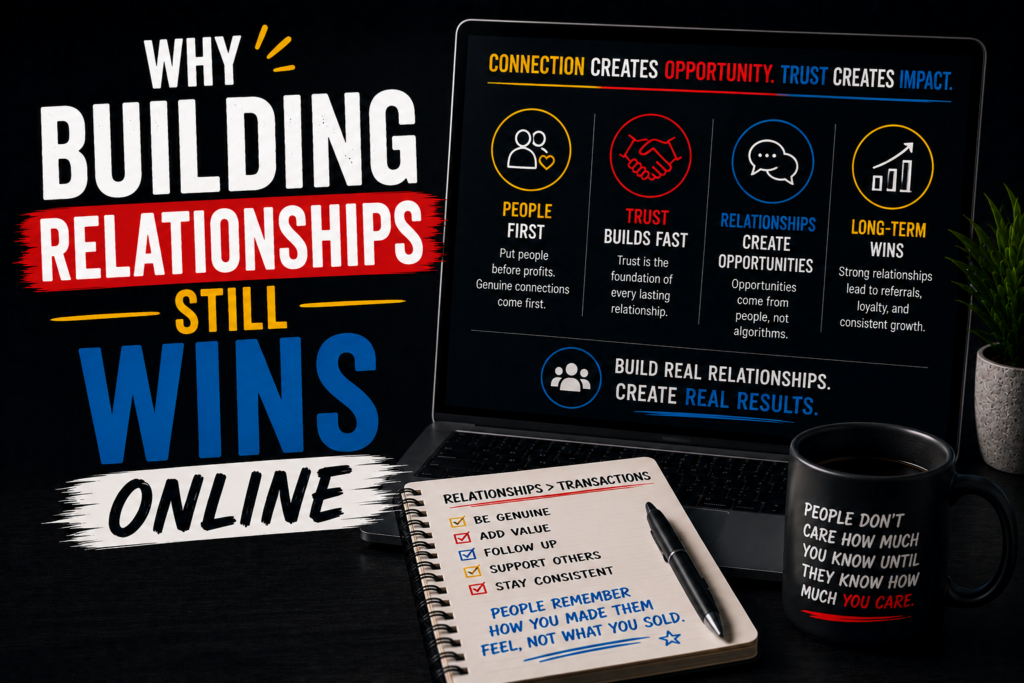
In today’s fast-paced digital world, where interactions often happen through screens rather than face-to-face, the importance of trust and credibility cannot be overstated. You might wonder how relationships can thrive in such an impersonal environment, but the truth is that building genuine connections online is not only possible; it’s essential. When you think about it, trust is the foundation of any relationship, whether it’s personal or professional. In the digital realm, where anonymity can sometimes breed skepticism, establishing credibility becomes even more crucial.
Imagine scrolling through your social media feed or browsing an online store. You’re bombarded with countless messages, advertisements, and influencers vying for your attention. Amidst this noise, what makes you stop and engage? More often than not, it’s the brands or individuals that resonate with you on a personal level. This is where trust comes into play. When you feel a connection with someone or something, you’re more likely to believe in their message and, ultimately, their offerings. This is why building relationships online is not just a nice-to-have; it’s a must-have.
One of the most effective ways to foster trust in digital interactions is through transparency. People appreciate honesty, and when brands or individuals are open about their values, processes, and even their mistakes, it creates a sense of authenticity. For instance, if a company acknowledges a product flaw and communicates how they plan to rectify it, they’re not just addressing the issue; they’re also reinforcing their commitment to their customers. This kind of transparency builds credibility, making customers more likely to return and recommend the brand to others.
Moreover, engaging with your audience is another powerful way to cultivate trust. Responding to comments, answering questions, and participating in discussions can transform a one-sided interaction into a meaningful conversation. When people feel heard and valued, they’re more inclined to trust you. This is particularly important in the age of social media, where a simple reply can turn a casual follower into a loyal advocate. By taking the time to engage, you’re not just promoting your brand; you’re building a community.
Additionally, sharing user-generated content can significantly enhance your credibility. When customers share their experiences with your product or service, it serves as a powerful endorsement. This kind of social proof is invaluable in the digital landscape, where potential customers often rely on reviews and testimonials before making a decision. By showcasing real stories from real people, you not only validate your offerings but also strengthen the bond with your audience.
As we navigate the complexities of online interactions, it’s essential to remember that relationships are built on more than just transactions. They thrive on shared values, mutual respect, and genuine connections. In a world where algorithms often dictate visibility, the human element remains irreplaceable. When you prioritize trust and credibility in your digital interactions, you’re not just fostering relationships; you’re creating a loyal community that believes in what you stand for.
In conclusion, while the digital landscape may seem daunting, the principles of building relationships remain timeless. Trust and credibility are the cornerstones of successful interactions, and by embracing transparency, engaging with your audience, and showcasing real experiences, you can cultivate meaningful connections that stand the test of time. So, as you navigate your online journey, remember that at the heart of every click, like, and share is a relationship waiting to be built.
The Power Of Community Engagement
In today’s digital landscape, where algorithms often dictate visibility and engagement, it’s easy to overlook the fundamental truth that building relationships still reigns supreme. While technology has transformed the way we connect, the essence of human interaction remains unchanged. One of the most powerful ways to foster these connections is through community engagement. When brands and individuals prioritize genuine relationships, they not only enhance their online presence but also create a loyal following that can weather the ups and downs of the digital world.
Think about it: when you engage with a community, you’re not just broadcasting your message into the void; you’re creating a dialogue. This two-way communication is vital. It allows you to listen to your audience, understand their needs, and respond in a way that resonates with them. For instance, when a brand takes the time to reply to comments or messages, it shows that they value their audience’s input. This simple act can transform a faceless entity into a relatable personality, fostering trust and loyalty.
Moreover, community engagement goes beyond mere interaction; it’s about creating a sense of belonging. People are naturally drawn to groups where they feel accepted and understood. By cultivating a community around shared interests or values, you can create an environment where individuals feel empowered to contribute. This not only enhances their experience but also encourages them to advocate for your brand. When your audience feels like they’re part of something bigger, they’re more likely to share their experiences, recommend your products, and even defend your brand in times of crisis.
Additionally, engaging with your community can provide invaluable insights. By observing conversations and feedback, you can gain a deeper understanding of what your audience truly cares about. This information can guide your content strategy, product development, and marketing efforts. Instead of guessing what your audience wants, you can tailor your approach based on real interactions. This not only saves time and resources but also increases the likelihood of success.
Furthermore, community engagement can lead to organic growth. When people feel connected to a brand, they’re more likely to share it with their friends and family. This word-of-mouth marketing is incredibly powerful, as recommendations from trusted sources carry more weight than traditional advertising. In a world saturated with promotional content, authentic recommendations stand out and can significantly impact your reach.
Of course, building relationships takes time and effort. It’s not about making a quick sale; it’s about nurturing connections that can last. This means being consistent in your engagement, showing up for your audience, and being transparent in your communications. It’s about creating a space where people feel comfortable sharing their thoughts and experiences. While it may seem daunting, the rewards are well worth it.
In conclusion, the power of community engagement cannot be overstated. In an era dominated by technology, the human element remains crucial. By prioritizing relationships, brands and individuals can create a loyal community that not only supports them but also amplifies their message. So, whether you’re a small business owner or a content creator, remember that investing in relationships is the key to thriving in the online world. After all, at the heart of every successful online presence is a vibrant community built on trust, understanding, and genuine connection.
Long-Term Customer Loyalty Through Personal Connections
In today’s fast-paced digital world, where everything seems to be just a click away, it’s easy to forget the importance of building genuine relationships with customers. While technology has transformed the way we interact, the core principle of human connection remains vital. When businesses prioritize personal connections, they not only enhance customer experiences but also foster long-term loyalty that can withstand the test of time.
Imagine walking into your favorite local coffee shop. The barista knows your name, remembers your usual order, and might even ask about your recent vacation. This personal touch creates a sense of belonging and makes you feel valued. Now, think about how that translates to the online world. When brands take the time to engage with their customers on a personal level, whether through social media interactions, personalized emails, or tailored recommendations, they create a similar sense of connection. This is where the magic happens; customers are more likely to return to a brand that makes them feel special and understood.
Moreover, personal connections can significantly enhance customer satisfaction. When customers feel that a brand genuinely cares about their needs and preferences, they are more inclined to share their positive experiences with others. Word-of-mouth marketing is incredibly powerful, especially in the digital age, where a single tweet or post can reach thousands of potential customers. By building relationships, brands can turn satisfied customers into enthusiastic advocates who help spread the word about their products or services.
Additionally, fostering these connections can lead to valuable feedback. When customers feel comfortable communicating with a brand, they are more likely to share their thoughts and suggestions. This feedback is gold for businesses, as it provides insights into what customers truly want and need. By listening and responding to this feedback, brands can adapt and improve their offerings, further solidifying the bond with their audience. It’s a win-win situation: customers feel heard, and businesses can enhance their products or services based on real input.
Furthermore, in a world where consumers are bombarded with countless options, standing out is crucial. Personal connections can be the differentiator that sets a brand apart from its competitors. When customers have a positive relationship with a brand, they are less likely to switch to a competitor, even if they offer similar products at a lower price. This loyalty is built on trust and familiarity, which are cultivated through consistent, meaningful interactions.
As we navigate the complexities of online commerce, it’s essential to remember that behind every transaction is a person with emotions, preferences, and experiences. By prioritizing relationships over mere transactions, brands can create a loyal customer base that not only returns but also grows through referrals and recommendations. In essence, building relationships is not just a strategy; it’s a philosophy that can lead to sustainable success.
In conclusion, while technology continues to evolve and reshape the landscape of customer interactions, the fundamental need for connection remains unchanged. By focusing on personal relationships, businesses can cultivate long-term loyalty that transcends the transactional nature of online shopping. So, whether you’re a small business owner or part of a larger corporation, remember that investing in relationships is an investment in your future. After all, in the end, it’s the connections we build that truly matter.